Therapeutic Treatment
Relational, Regulation-Based Clinical Care for Children and Families
When emotional or behavioural patterns feel persistent, intense, or stuck — families need more than advice.
When Is Therapeutic Treatment Appropriate?
This service may be right for your family if your child is experiencing:
- Persistent emotional dysregulation
- Anxiety that interferes with daily life
- School refusal
- Trauma-related responses
- Mood instability
- Aggression or shutdown patterns
- Ongoing relational conflict
- ADHD-related regulation challenges
- Complex neurodevelopmental presentations
You may feel:
- Exhausted from repeated escalation cycles
- Unsure whether you are missing something deeper
- Concerned that education alone is not enough
- Wondering whether medication should be considered
You do not have to navigate that alone.
Our Approach
Relational Minds delivers therapeutic care through a structured, attachment-based framework.
We work from the understanding that:
• Behaviour reflects nervous system state
• Emotional regulation develops in relationship
• Symptoms have meaning
• Families are part of the healing system
We do not treat symptoms in isolation.
We treat the child within their relational environment.
What Makes Relational Minds Different
Our therapeutic services integrate:
- Psychologists
- Multidisciplinary treatment collaboration
- Psychiatric and paediatric clinical oversight
- Developmental formulation
- Parent-inclusive care
This ensures your child’s therapy is:
- Emotionally informed
- Developmentally structured
- Clinically supervised
- Medically supported where appropriate
You receive an integrated model — not fragmented care.
Psychiatric & Paediatric Oversight
Our psychiatrists and paediatricians:
- Provide clinical oversight and supervision
- Review complex cases
- Contribute to treatment planning
- Advise on medication strategies when appropriate
Medication is not the starting point.
It is considered when:
- Emotional or attentional symptoms significantly impair functioning
- Regulation difficulties limit therapeutic progress
- Biological factors are contributing to persistent distress
If medication is indicated, it is:
- Carefully assessed
- Closely monitored
- Integrated within a relational treatment plan
The goal is not symptom suppression.
The goal is building capacity for regulation, connection, and growth.
Families often feel relief knowing that medical input is available when needed — without therapy being reduced to medication alone.
What Treatment May Include
Depending on your child’s needs, therapeutic treatment may involve:
- Individual therapy
- Parent-child sessions
- Family sessions
- Emotional regulation skill development
- Attachment repair work
- Trauma-informed intervention
- Collaborative school consultation
- Medication consultation when appropriate
Every treatment plan is individualised.
The Outcome We Work Toward
From: “We are overwhelmed and stuck.”
To: “We have structured support, clarity, and direction.”
From: “Everything escalates.”
To: “We understand what is happening and how to respond.”
From: “Are we missing something?”
To: “We have integrated emotional and medical guidance.”
Relational Minds Philosophy
Across all therapeutic work, we remain:
✔ Attachment-grounded
✔ Nervous system informed
✔ Developmentally structured
✔ Non-blaming
✔ Long-term focused
We believe healing occurs within relationships.
We support children — and the adults who care for them.
What Happens Next?
- You book an initial intake appointment.
- We complete a comprehensive clinical review.
- We determine the most appropriate therapeutic pathway.
- If required, psychiatric or paediatric consultation is integrated into your care plan.
You receive clarity before intervention.
Take the Next Step
If your child’s emotional or behavioural challenges feel persistent, complex, or overwhelming — structured therapeutic support may be the right next step.
Book an intake appointment to explore how Relational Minds can support your family.
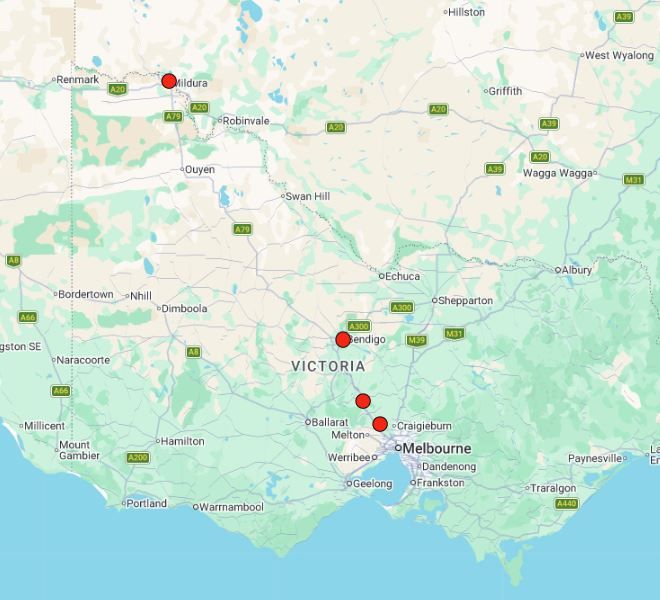
Where To Find Us